


Listen to this article:
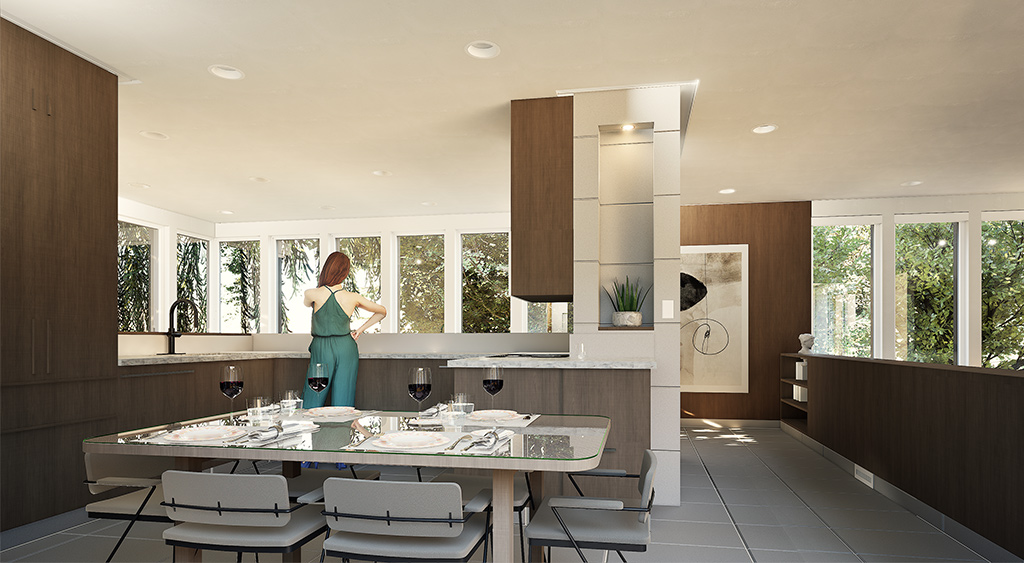
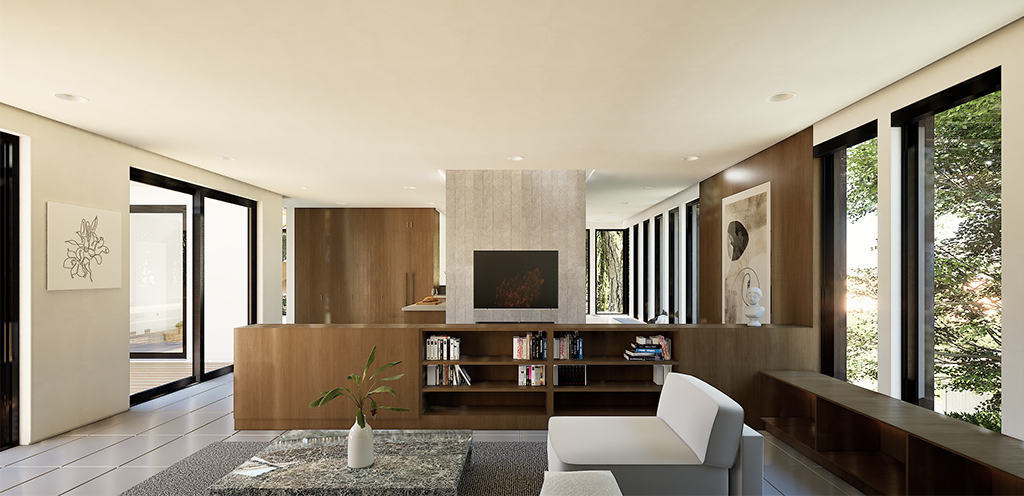
This custom coastal residence explores how light, elevation, and craftsmanship shape a refined living environment within a compact footprint. A restrained palette of premium materials, precise millwork, indirect lighting, and high-performance systems creates interiors that are both warm and highly resolved.
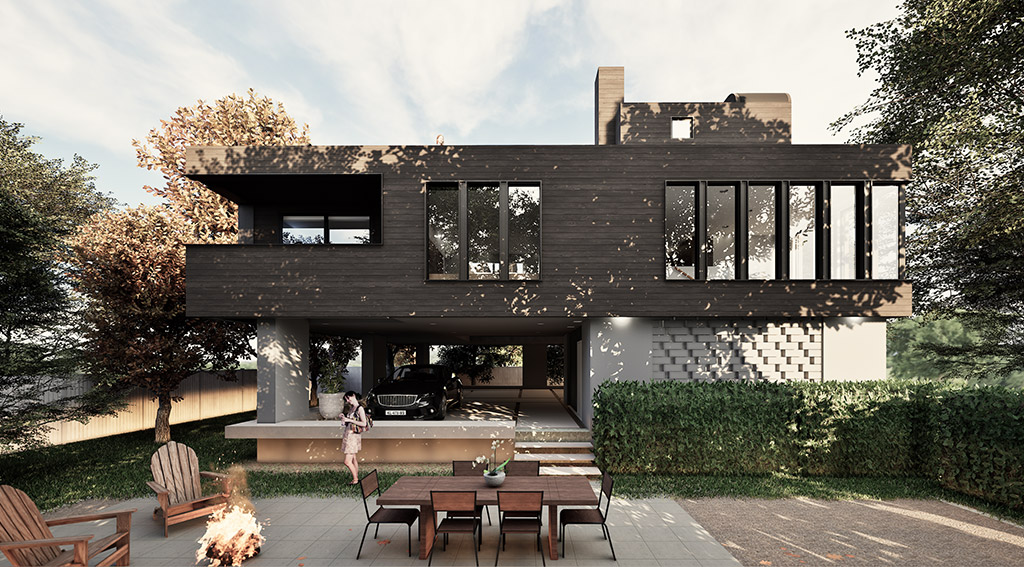
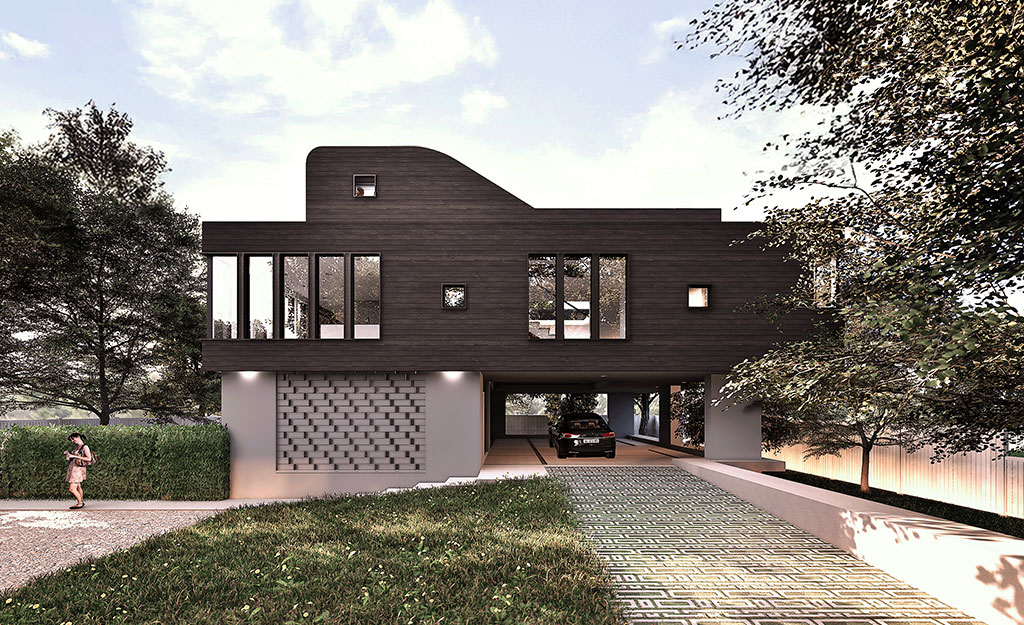
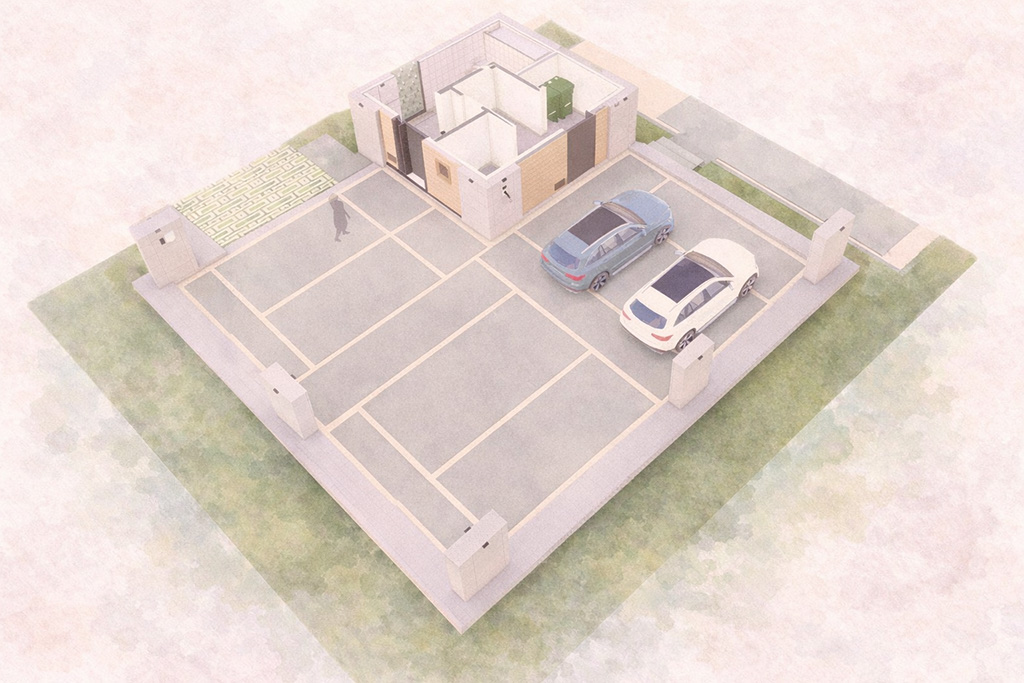
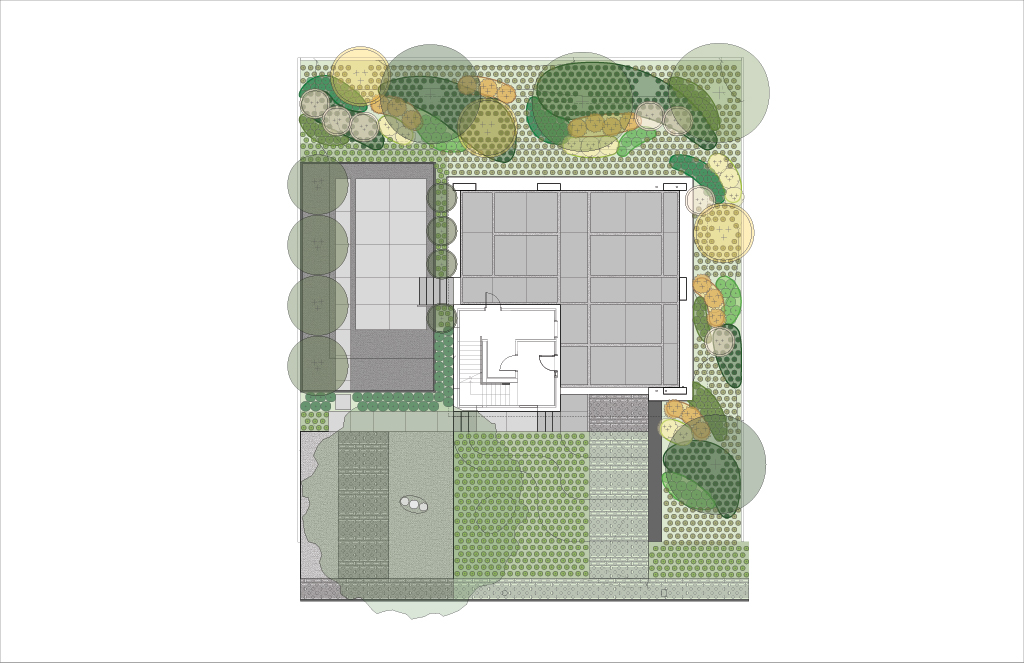
At ground level, the elevated structure forms a shaded, open-air plinth that extends beyond parking. Defined by the structural rhythm above and paved with permeable concrete panels, it functions as a flexible outdoor room for gatherings and daily use, protected from sun and rain. It also collects roof runoff, directing water to a rear rain garden for infiltration.
This covered space connects directly to the surrounding garden terrace, creating a continuous landscape that transitions from sheltered to open. Together, they support varied social uses, allowing the house to expand outward and engage the site as an extension of domestic life.
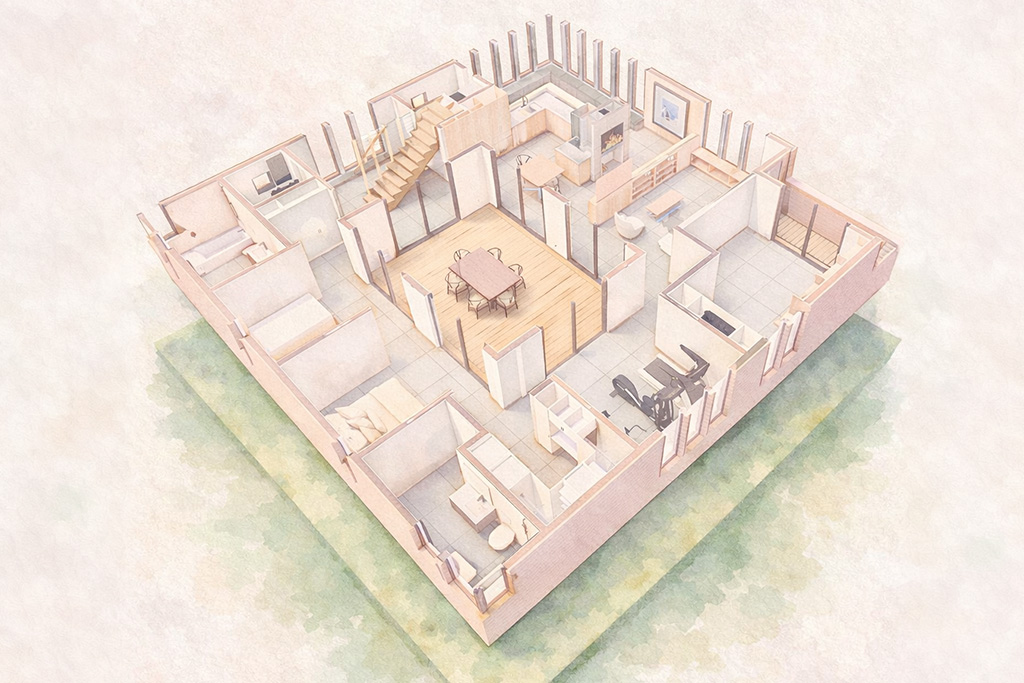
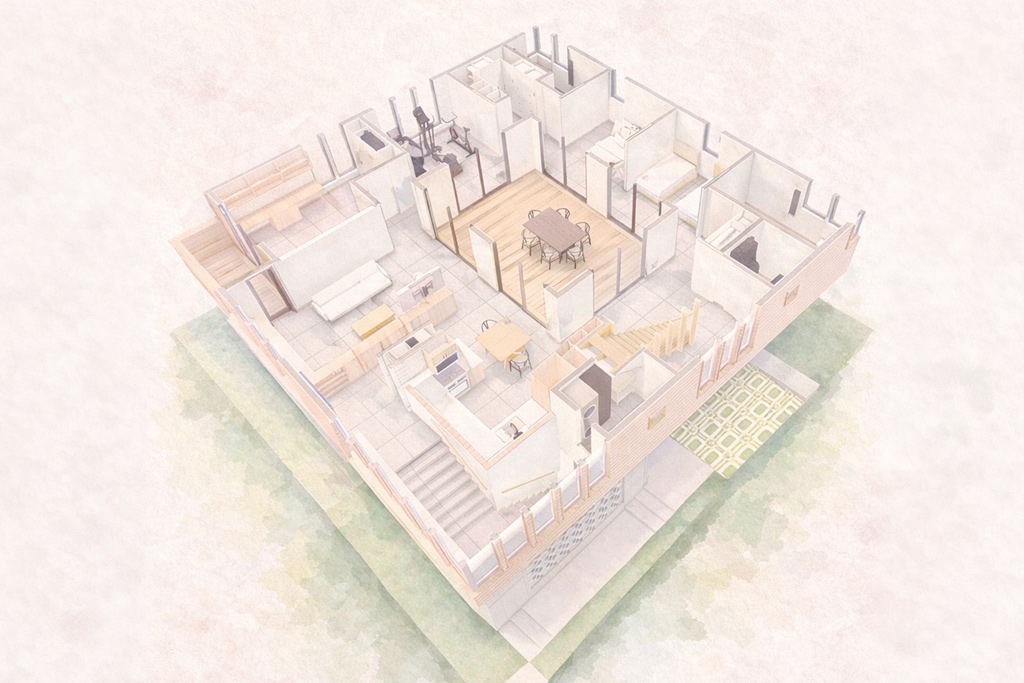
Above, the atrium acts as the home’s outdoor living room—an open-to-sky space around which daily life unfolds. More than a source of light, it is an inhabited void that brings air, weather, and seasonal change into the core. Paired with the event space below and the observatory above, it forms a continuous vertical sequence linking ground to sky.
Inspired by traditional courtyard houses, the atrium organizes the plan and anchors the spatial experience. It draws natural light deep into the interior, establishes visual connections between rooms, and reinforces the indoor–outdoor relationship, with circulation unfolding around this calm, light-filled core.
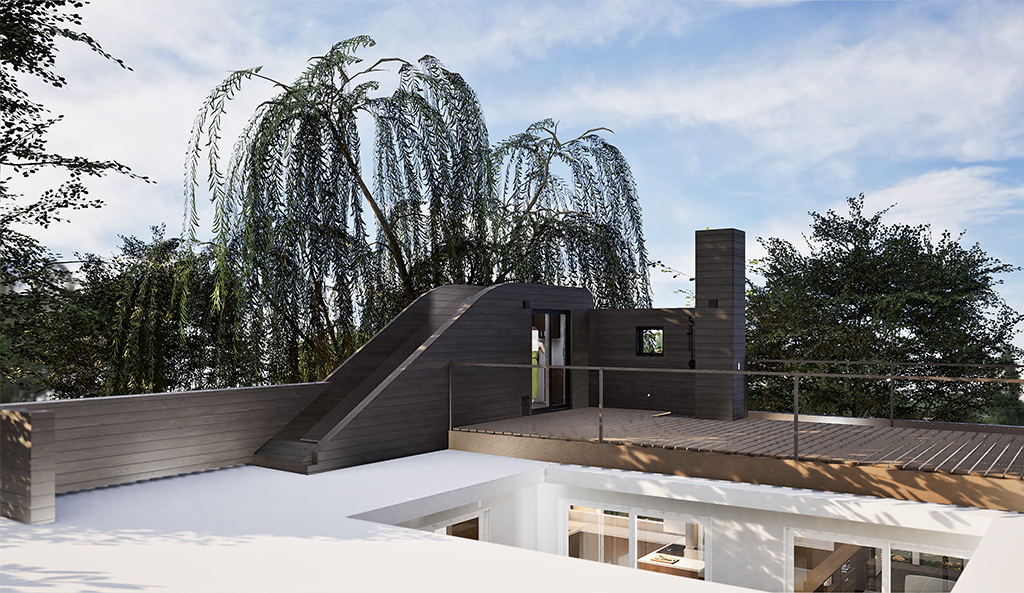
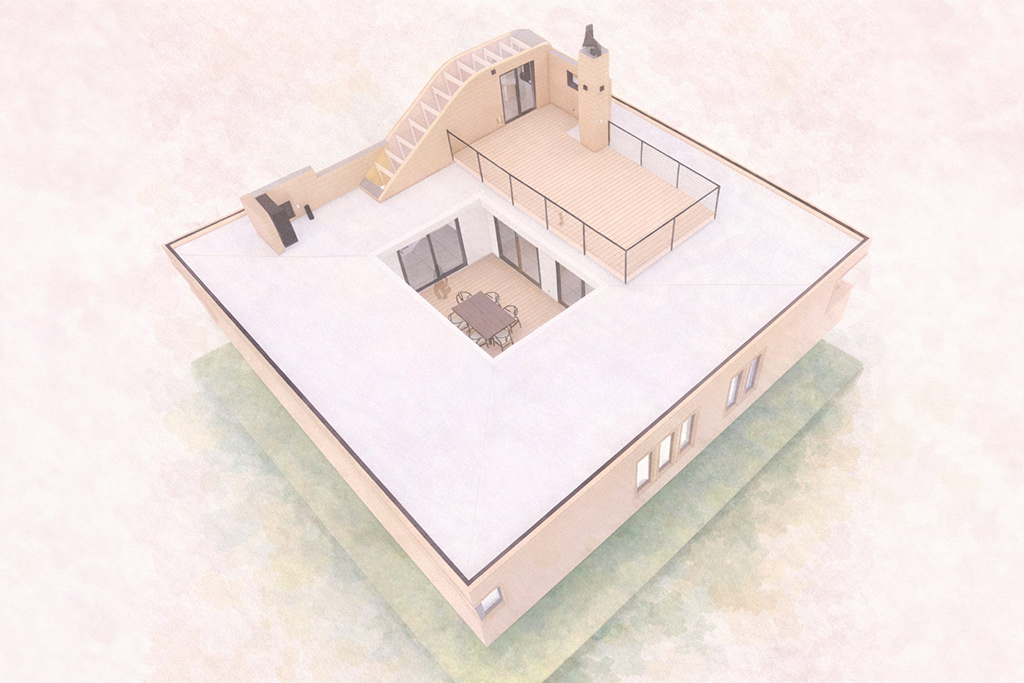
The observatory is not an added rooftop feature but the culmination of a choreographed vertical journey—a spatial and symbolic threshold between domestic life and the sky. Rising above the primary roof to approximately 23 feet, with an additional ascent to access, it reinforces its role as a destination. Movement upward shifts experience from enclosed interiors to increasingly open, elemental conditions.
Architecturally, the observatory is defined by openness and perimeter engagement. A surrounding deck with cable railing and a protective screen wall dissolves the boundary between occupant and horizon, allowing uninterrupted views while maintaining a sense of enclosure. This balance creates a contemplative, immersive space for observing celestial cycles.
Its placement above the atrium is key: the atrium draws light inward, while the observatory projects outward. Together, they form a vertical axis connecting interior life to the atmosphere, linking ground, dwelling, and sky into a continuous spatial narrative.
Materially, the observatory expresses lightness in contrast to the flood-resilient base. While the lower levels are engineered for durability—elevated on piers and designed for environmental forces—the observatory reads as more ephemeral, reinforcing its role as a point of release where architecture shifts from protection to perception.
Ultimately, it mediates between human and cosmic scales, transforming the act of looking upward into an architectural experience. The sky becomes an immediate, inhabitable presence, situating the house within a larger temporal and celestial context.
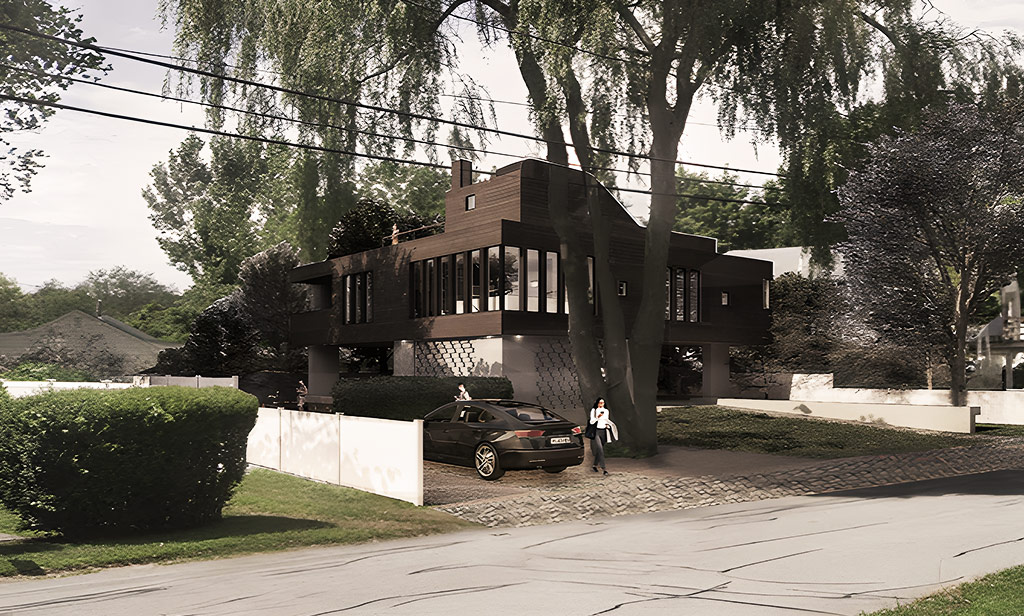
Located in FEMA Flood Zone AE (BFE +12), the project treats elevation not as a constraint but as a defining strategy. The elevated structure, resilient materials, and engineered foundation address long-term exposure while shaping spatial character.
Across the site, a clear hierarchy of hardscape and landscape organizes circulation, gathering, and retreat. Civil and landscape systems are integrated, combining grading, drainage, and utilities with low-impact strategies such as rain gardens, permeable paving, and subsurface infiltration.
The landscape prioritizes native, regionally appropriate species for resilience, ecological value, and seasonal variation. Once established, it requires minimal maintenance while supporting biodiversity.
Together, architecture, landscape, and infrastructure operate as an integrated system—balancing spatial clarity, environmental responsiveness, and long-term coastal resilience.
—
Crowley Cottrell, LLC / Landscape Architect
Jomar Construction / Construction Manager